Experienced Tire Solutions: Get Back on the Road Securely and Fast
Skilled tire restoration serve an essential function in safeguarding vehicle security and operation. Experienced professionals undertake complete inspections to uncover assorted tire difficulties. From flats to balance complications, each matter warrants careful focus. Knowing when to turn to professional guidance can prevent ensuing troubles. As drivers encounter these obstacles, they may consider the most suitable repair options and care standards. Studying these areas can facilitate sound decisions and more secure experiences down the road.
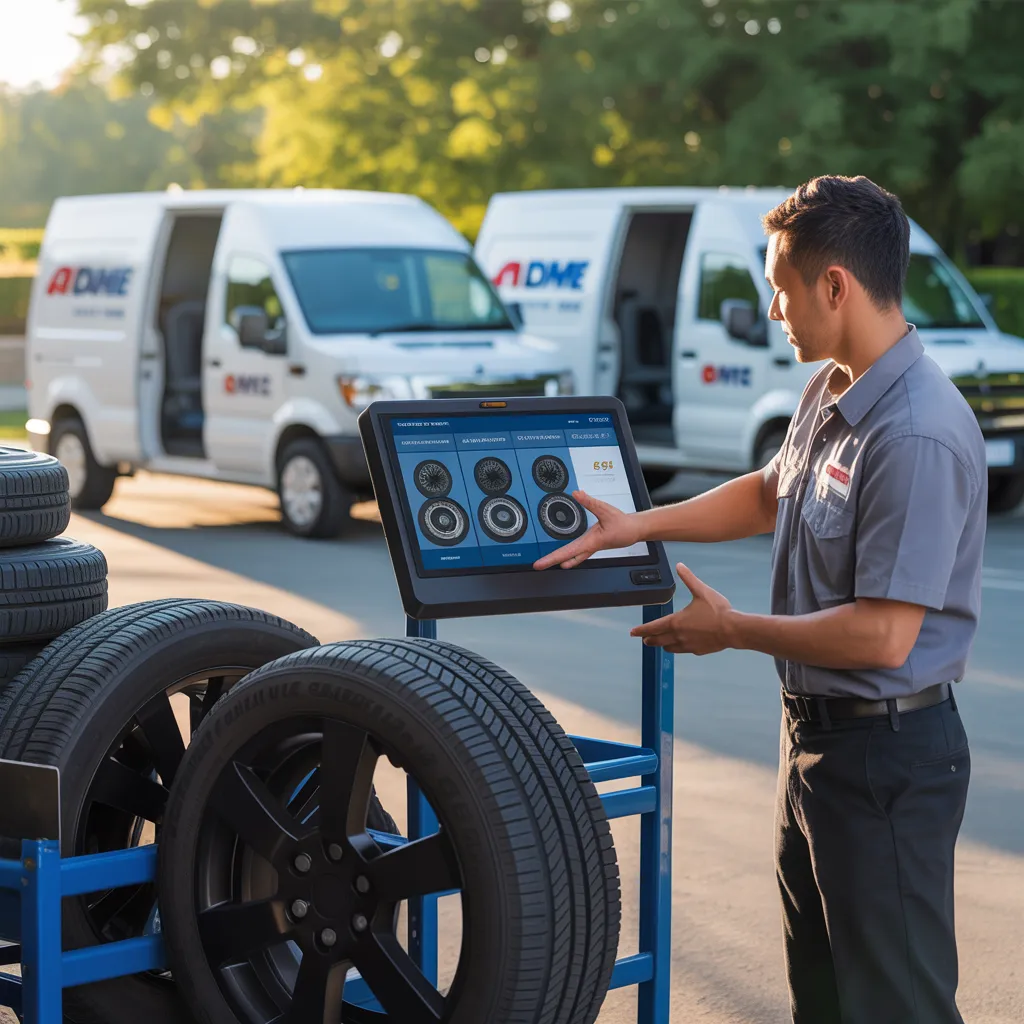
Standard Tire Difficulties to Familiarize Yourself With
When motorists neglect to monitor their tires, they may face several common issues that can compromise safety and performance. One common problem is underinflation, which can result in increased tire wear and decreased fuel efficiency. Over time, this can lead to the tires to overheat, boosting the risk of a blowout. Another common problem is tread wear, which affects traction and handling, particularly in wet conditions. Uneven wear may indicate alignment or suspension issues, requiring further inspection. Additionally, drivers may experience punctures or sidewall damage from road hazards, leading to slow leaks or complete tire failure. Regular tire rotations, inspections, and proper inflation are critical for preventing these issues. Finally, environmental conditions can also contribute to tire degradation, making it vital for drivers to monitor their tire health. By identifying these common problems, drivers can enhance their safety on the road.
When to Determine About Getting Tire Work: A Guide?
Identifying the markers that tire repairs are important is critical for preserving vehicle protection and capability. Drivers ought to stay alert for particular indicators that suggest tire issues. Asymmetrical deterioration patterns on the contact surface, for example, may reveal alignment complications or insufficient air pressure. Moreover, obvious deterioration, like cuts, bumps, or perforations, commonly demands immediate attention. A rapid loss of air force or constant requirement for air filling also tells that servicing may be essential.
Drivers should closely monitor handling and performance changes, such as shaking or pulling to one side, which could indicate tire imbalances or internal damage. Finally, regularly checking the depth of the tire tread is essential; tires with patches of wear weaken traction. By monitoring these signs, drivers can confirm timely repairs, increasing both safety and vehicle longevity. Addressing these issues promptly not only thwarts potential accidents but also reduces more extensive repair costs down the line.
A Overview to Learning About the Tire Repair Process
The tire maintenance procedure generally entails several important steps to guarantee safety and efficiency. At first, a technician inspects the tire for apparent damage and assesses its overall condition. This examination helps determine whether the tire can be repaired or must be replaced. After the inspection, the technician might remove the tire from the wheel to detect punctures or internal damage.
Once any problems are identified, the technician cleans the damaged area and readies it for restoration. This may involve installing a seal or plug, depending on the nature and position of the harm. After the fix is finished, the tire is remounted and properly inflated to the manufacturer's requirements.
Finally, a quality check establishes that the repair meets safety criteria. Throughout the undertaking, experts value feedback exchange, advising the individual of details and proposals. This methodical approach guarantees a solid restoration, allowing travelers to proceed to the road with trust.
DIY Tire Correction Measured against Professional Solutions
Once learning the tire repair procedure, many drivers may evaluate whether to handle fixes independently or get expert support. DIY tire repairs can be attractive, especially for those with elementary mechanical expertise and implements. Simple perforations can often be fixed using mending kits available at auto supply stores, cutting both time and money. However, this approach poses risks if proper procedures are not applied, conceivably resulting in further deterioration or safety hazards.
On the flip side, expert tire repair providers supply proficiency and cutting-edge equipment. Trained professionals can properly evaluate tire damage, guaranteeing repairs remain both effective and secure. They can also spot concealed issues that a DIY approach might fail to notice. Ultimately, the choice between do-it-yourself repairs and expert help is based on the driver's confidence, expertise, and the extent of the tire damage. Formulating a knowledgeable decision is vital for maintaining safety while driving.
Guide to Selecting the Optimal Tire Repair Service
How should motorists make sure they choose the finest tire repair service? First, they should research local options, focusing on customer feedback and ratings. This information provides insight into the quality standards and reliability of various shops. Next, checking for certifications and affiliations with well-known automotive organizations can indicate skill and experience.
Furthermore, operators should inquire into the varieties of repairs offered, making sure the shop can tackle their distinct tire needs. Pricing transparency is also important; reputable businesses deliver straightforward quotes without undisclosed charges.
Additionally, reviewing the shop's protection plans on services can provide confidence. Finally, convenience matters—location relative to home or work, as well as operation times, can impact the determination. By considering these factors, drivers can confidently opt for a tire repair service that meets their expectations effectively.
Benefits of Routine Tire Upkeep
Regular tire upkeep provides numerous benefits that prolong the lifespan and performance of tires. By regularly inspecting tire pressure, tread depth, and overall condition, vehicle owners can guarantee ideal traction and handling. Proper inflation decreases deterioration, improving fuel efficiency and saving money at the pump. In addition, regular inspections can help detect issues such as irregular deterioration or harm, enabling for prompt fixes that prevent more significant problems down the road.
Maintaining car tires also improves safety by lowering the risk of blowouts or accidents caused by worn tread. Additionally, a properly kept set of tires adds to a smoother ride, boosting comfort for the driver and passengers. When individuals devote time to regular tire care, they can increase the value of their investment, ensuring reliable performance and peace of mind during driving. Ultimately, regular tire maintenance is an essential aspect of responsible vehicle ownership.
Suggestions for Avoiding Future Tire Problems
Proactively maintaining tires can considerably reduce the possibility of future find the information problems. Regularly testing tire pressure is critical; deflation can lead to untimely wear and diminished fuel efficiency. It is wise to inspect tires for distinct damage, such as cuts or bulges, which may point to structural issues. Cycling tires every 5,000 to 8,000 miles helps make certain even wear, increasing their lifespan.
Additionally, maintaining proper alignment and balancing is important to avoid uneven tread wear. Drivers should also monitor tread depth, employing the penny test as a simple method; if Lincoln's head is visible, it's time for a replacement. Finally, preventing excessive loading of the vehicle can prevent excessive strain on tires. By applying these methods, vehicle owners can improve tire lifespan and support a safer driving experience.

Often Sought Questions
How much time will a average tire service last?
A standard tire repair typically requires 30 minutes to an hour based on the extent of the damage and the specific repair required. Elements like technician availability and workshop volume can also affect the duration.
Is Every Wheel Type Able of Being Repaired?
Not every tire type is capable of being fixed. Usually, punctures located in the tread area on passenger tires could be repairable, whereas sidewall deterioration, severe deterioration, or tires that have had numerous fixes often require purchasing new tires to guarantee safety.
How Much Does Tire Service Expense?
The charge for tire repairs usually ranges from $10 to $30, influenced by the level of damage and placement. Important factors like tire category and your chosen provider can influence the ultimate price, resulting in fluctuation.
Is Tire Repair Covered by Insurance?
Coverage for tire repairs differs by your insurance policy. Many policies offer emergency roadside support and repair costs, though certain policies do not include such benefits. It's necessary for people to review their particular policy details to determine what coverage applies to tire maintenance.
How Can I Prolong My Tire's Lifespan?
To extend a tire's lifespan, regular maintenance is crucial. This includes keeping tire pressure at correct levels, performing regular tire rotations, ensuring proper alignment, preventing overload conditions, and checking tread wear for signs of wear or damage.